
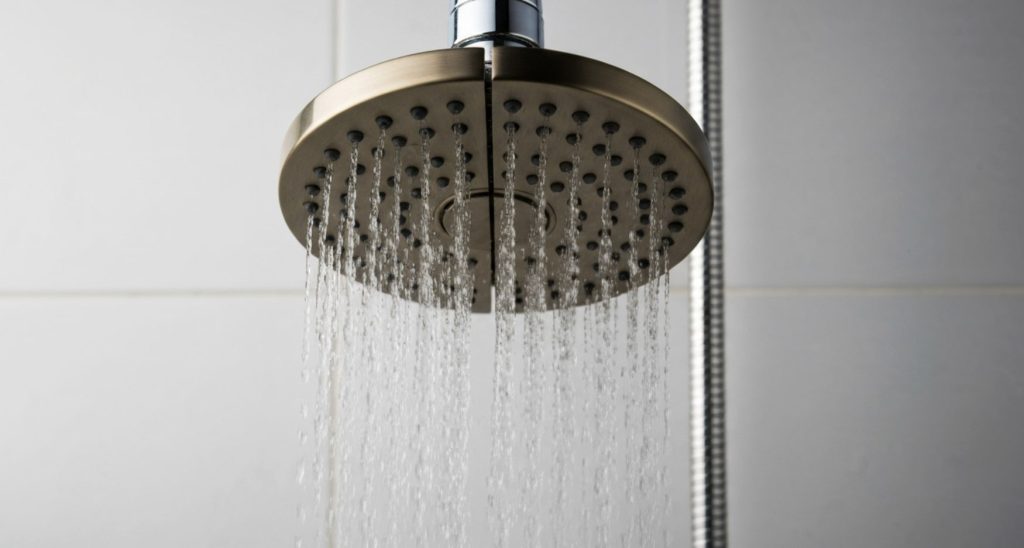
Stepping into the shower expecting a powerful spray only to be met with a disappointing trickle is a frustrating start to any day. If you’re experiencing low water pressure, you’re not alone; it’s a common plumbing problem. The cause can range from a simple clog to a more complex issue within your plumbing system. Don’t resign yourself to weak showers just yet. This guide will walk you through the real reasons showers loses water pressure and help you find the right solution to get your invigorating shower back.
The Real Reasons Showers Lose Water Pressure
Could a recent clunking noise explain why my shower pressure dropped suddenly? It might. That sound could point to sediment in your water heater. Similarly, if you’ve wondered, “Why would turning my shower to cold reduce the water pressure?” it could indicate a faulty mixing valve. Let’s explore these causes in more detail.
1. Mineral Buildup in the Showerhead
One of the most frequent reasons for low shower water pressure is mineral buildup right in the showerhead. Fortunately, this is often an easy fix. You can restore your shower’s performance by simply cleaning the showerhead. Soaking it in a solution of white vinegar and water for a few hours can dissolve the mineral deposits and clear the blockages.
- Cleaning: Regularly cleaning the showerhead is the first step to resolving low pressure.
- Replacement: Is replacing the showerhead likely to solve water pressure problems? Yes, if cleaning doesn’t work or the showerhead is old, a replacement is a great solution.
Using a water softener is also a great preventative measure to stop mineral buildup before it starts, helping you maintain consistent water pressure.
2. Faulty or Partially Closed Water Valves
Your home’s plumbing relies on several valves to control water flow. If any valve—main shutoff, water meter, or inline—isn’t fully open, you’ll experience low pressure in the shower. These valves can be accidentally adjusted during repairs or maintenance, so always check their position before assuming a bigger problem. Often, simply turning a handle restores pressure.
If turning your shower to cold reduces pressure, a faulty mixing valve inside the shower may be to blame. This worn-out part can restrict proper flow from the hot and cold lines.
3. Leaky or Damaged Pipes
Leaky pipes often cause low water pressure by diverting water away from fixtures like your showerhead. Signs include damp spots on walls or ceilings, puddles near plumbing, and higher water bills. Even small leaks can significantly affect water flow over time, especially in older homes. Pipe corrosion also causes cracks or pinhole leaks, leading to pressure loss.
4. Aging or Corroded Plumbing
If you live in an older home, your plumbing itself might be the source of your low-pressure problems. Over decades, pipes, especially those made of galvanized steel, can corrode from the inside. This corrosion, along with mineral deposit buildup, narrows the pipe’s interior, severely restricting water flow and causing a system-wide pressure loss.
This directly answers the question, “Can pipe corrosion lead to a loss of water pressure in the shower?” Yes, it’s a primary cause. The constricted pipes simply can’t deliver the volume of water needed for strong pressure.
Upgrading to modern piping materials is often the best long-term solution. Here’s a quick comparison of common pipe materials and their issues:
| Pipe Material | Common Issues Related to Water Pressure |
|---|---|
| Galvanized Steel | Highly prone to internal corrosion and rust buildup that restricts flow. |
| Modern Copper/PEX | Resistant to corrosion and scale, maintaining better long-term water flow. |
5. Clogged or Malfunctioning Pressure Regulator
A water pressure regulator is a small but essential device on your main water line that keeps water pressure safe and steady throughout your home. Over time, sediment and debris from pipe corrosion can clog the regulator and cause it to malfunction. When this happens, it may restrict water flow, resulting in low or fluctuating pressure in your shower and other fixtures. Fixing the issue often means adjusting or replacing the regulator. Because it’s part of your main plumbing line, it’s best to have a professional plumber handle repairs to safely restore proper water pressure.
6. Sediment Accumulation in the Water Heater
Does your low pressure seem to mainly affect your hot water? If so, the problem might be sediment accumulation in your water heater. If you’ve heard a clunking or rumbling noise from your water heater, that’s a strong clue. “Could a recent clunking noise explain why my shower pressure dropped suddenly?” Yes, that noise is often caused by trapped water boiling under the sediment layer, and it’s a clear sign of a significant blockage.
- The Problem: Sediment buildup physically blocks the path for hot water, reducing flow and pressure.
- The Solution: Periodically flushing your water heater tank can clear out this sediment and restore proper flow.
7. Municipal Water Supply Issues
Low water pressure isn’t always caused by your home’s plumbing—it can stem from the municipal water supply. Issues like maintenance on main lines, faulty underground valves, or your home’s distance from the source can all lead to reduced pressure. If neighbors are also affected or the drop is sudden and widespread, the city supply is likely to blame. Low incoming pressure means using multiple appliances makes the problem worse. In these cases, contact your local utility or Department of Public Works to ask about issues and estimated resolution times.
8. Simultaneous Use of Other Water Appliances
Your home’s plumbing system has a limited amount of water it can deliver at any given moment. When you use multiple appliances simultaneously, you’re dividing that available water flow between them. This division results in a temporary pressure loss for each fixture, which is especially noticeable in the shower.
- Cause: Your home’s total water flow is being split between the shower and another appliance.
- Effect: The shower receives a smaller volume of water, resulting in low water pressure.
To avoid this, try to schedule heavy water-use activities, like laundry, for times when no one is showering.
9. Worn-Out or Failing Mixing Valve
If your low pressure is exclusive to one shower and other faucets are fine, the problem may be a worn-out mixing valve. This valve is located behind the shower handle and is responsible for blending hot and cold water to your desired temperature. Over time, the internal components and cartridges can wear out or become clogged with sediment.
Answering the question, “Why would turning my shower to cold reduce the water pressure?” often leads to this valve. A faulty mixing valve might have more blockage on the cold-water side, so when you demand more cold water, the flow is restricted, and the overall shower water pressure drops. Replacing a defective mixing valve is a job for an experienced plumber.
10. Low-Flow or Old Showerhead
Sometimes, the cause of weak water pressure isn’t a malfunction but a feature. If you suspect your showerhead is the issue, replacing it can be a simple yet effective solution. “Is replacing the showerhead likely to solve water pressure problems?” Yes, it very often is.
- Low-Flow Models: These are designed to use less water, which naturally results in a less forceful spray.
- High-Pressure Models: Upgrading to a showerhead specifically designed for high pressure can dramatically improve your shower experience without changing your plumbing.
This is one of the easiest and most affordable ways to combat a pressure loss in the shower.
Conclusion
In summary, understanding the real reasons showers loses water pressure can save you time, money, and frustration. From mineral buildup in the showerhead to potential plumbing malfunctions, the factors affecting water pressure are varied but manageable. By identifying and addressing these concerns, you can restore your shower’s power and enjoy a rejuvenating experience once again. Ensuring a refreshing shower is just a few clicks away!
Restore Your Shower’s Power Today
If you’ve tried the simple fixes and are still struggling with low shower water pressure, it might be time to call in the experts. Diagnosing problems within your plumbing system can be complex, and some issues, like replacing a pressure regulator or fixing hidden leaks, require professional tools and knowledge. Don’t let low pressure ruin another shower.
Our team of experienced plumbers at Oasis Plumbers is ready to help you identify and solve any water pressure problem, big or small. We have the expertise to get your plumbing system back in top shape, ensuring you can enjoy optimal shower water pressure once again. Contact us today to schedule an inspection and get your shower’s power back.
Frequently Asked Questions
Can replacing my showerhead solve low water pressure?
Yes, replacing your showerhead is often a quick and effective solution for low shower pressure. If your current one is clogged with mineral deposits or is an older, inefficient low-flow model, upgrading to a new high-pressure showerhead can immediately improve your water pressure and shower experience.
Why does my shower lose pressure when other appliances are running?
Your home’s plumbing system has a finite water flow capacity. When you run an appliance like a washing machine or dishwasher, it competes with your shower for that water. This division of water flow causes a temporary pressure loss, resulting in a weaker spray in the shower.
What should I do if my shower pressure drops suddenly with a clunking noise?
A sudden drop in shower water pressure accompanied by a clunking noise often points to a problem with your water heater. The noise is likely caused by sediment buildup, which can create blockages and lead to low pressure. It’s best to have a professional plumber inspect your water heater to resolve this plumbing issue.